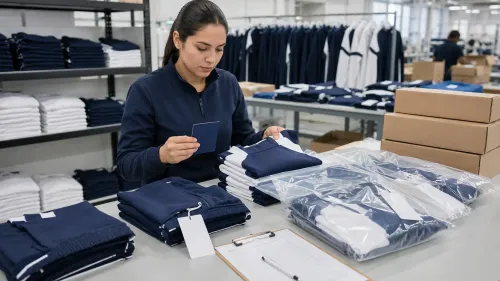
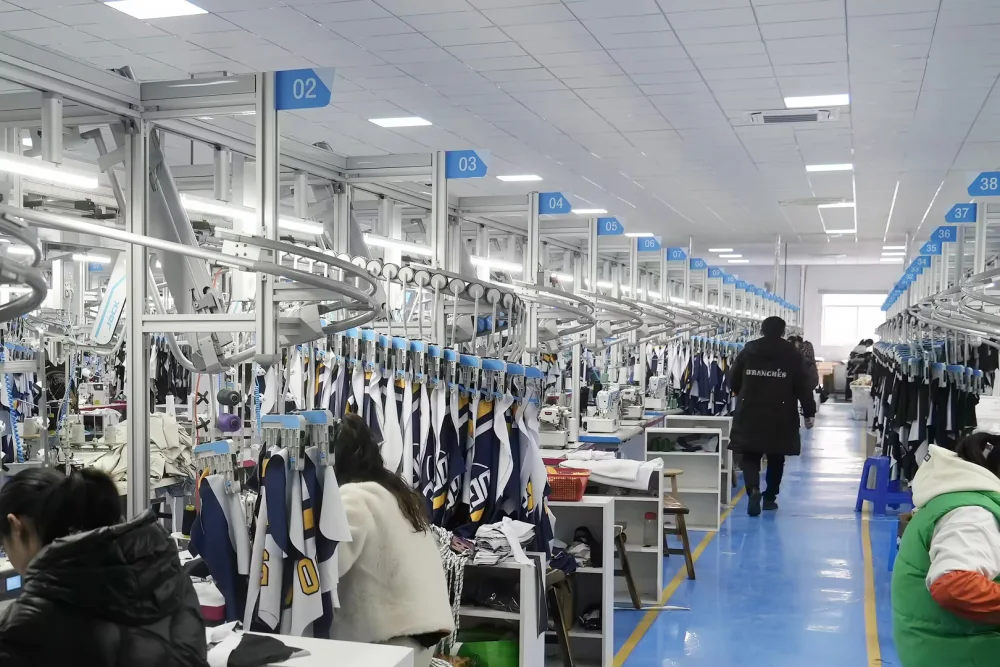
For a custom sportswear buyer, “factory direct” and “trading company” are not simply two price labels. They are two different ways of managing product development, communication, quality control, and delivery risk. The better option depends on what your order needs—not on which seller makes the broader promise.
For a custom teamwear project with player names, numbers, multiple sizes, specialized fabrics, samples, private labels, or repeat orders, direct access to the factory can make technical decisions and exceptions easier to control. A capable trading company, however, may be useful when you need to source across multiple factories, combine unrelated product categories, or need local-market coordination that the factory cannot provide.
The practical question is: who owns the production decision, who can verify it, and how quickly can a problem be corrected before it reaches bulk production?
The Short Answer: Choose the Control Model That Fits Your Order
| Your situation | Usually the stronger starting point | Why |
|---|---|---|
| One custom sport category, detailed specifications, sample review and repeat-order potential | Direct manufacturer | Fewer handoffs between development, production, QC and change control. |
| Several unrelated product categories from different supply bases | Trading company or sourcing partner | A strong intermediary can consolidate supplier selection, orders and shipping. |
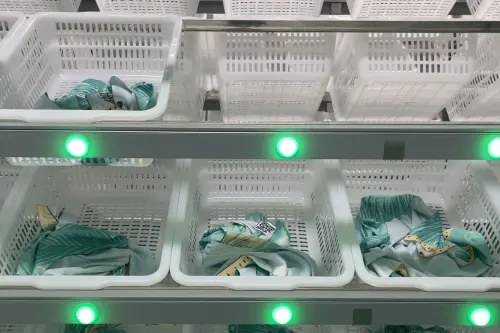
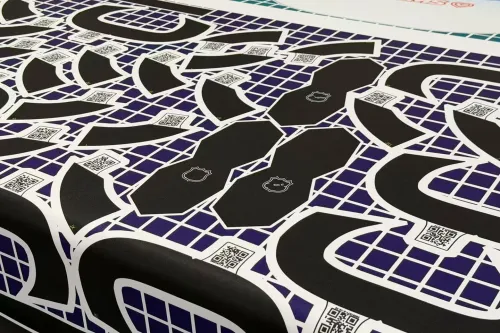
| Complex roster data, names, numbers, size splits or product variants | Direct manufacturer with documented controls | The buyer can examine how data reaches artwork, cut panels, sorting, sewing and final checks. |
| You need local language, inspection, payment or import coordination the factory does not offer | Qualified trading company | Service coverage may matter more than a shorter communication chain. |
Neither model is automatically safer. A factory can be a poor fit if it lacks the category, capacity, documentation, or communication you need. A trading company can add real value if it discloses its role, identifies the production source where appropriate, and manages the supply chain with evidence rather than vague assurances.
What “Factory Direct” Should Mean in Custom Sportswear
Factory direct should mean more than a lower quoted price. In a meaningful direct-manufacturer relationship, the production organization can discuss the garment specification and control the relevant handoffs: design development, pattern making, fabric choice, decoration, cutting, sewing, quality control, packing, and production release.
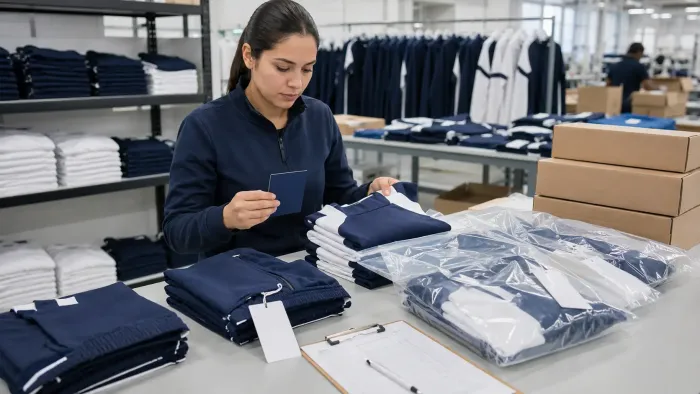
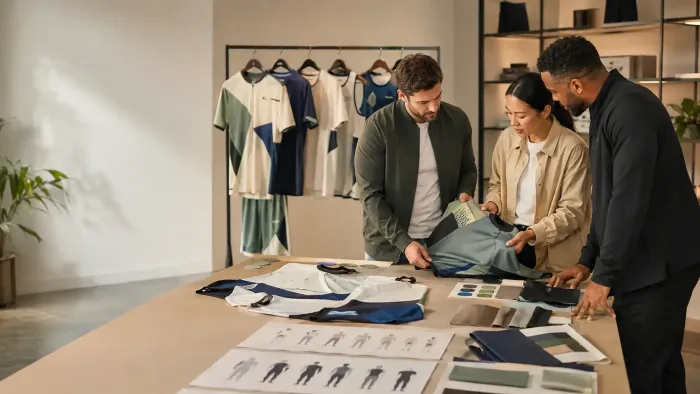
Tonton Sportswear presents itself as a direct custom sportswear manufacturer and describes an integrated operation covering design, pattern making, printing, cutting, sewing, quality control, packing, and delivery coordination. For a buyer, the useful claim is not “direct is always best.” It is that an integrated supplier may reduce the number of times technical instructions must be reinterpreted between the buyer and the production floor.
Ask the factory to show which steps it controls for your product. A supplier may operate some processes in-house and source others. That is not automatically a problem; the important point is that the scope, responsibility, and inspection method are clear before approval.
What a Trading Company Can Do Well
A trading company can be valuable when the buyer needs one commercial interface for multiple factories or product categories. For example, a distributor may need sportswear, accessories, packaging, event goods, and several shipment origins. An intermediary can coordinate supplier comparisons, consolidate purchasing, arrange inspections, manage export paperwork, or provide local-language support.
That value comes with a trade-off: the buyer is one step farther from the production decision. If an artwork, fit, fabric, or construction issue arises, the quality of the trading company’s technical communication determines whether the factory receives the correct instruction quickly enough.
Use a trading company when it can demonstrate supplier-management discipline. Do not choose one solely because it claims to have “many factory partners.” Ask how it controls sample approval, production specifications, change orders, inspection criteria, and corrective action.
The Real Cost Question Is Not Only Unit Price
Factory-direct pricing can remove one commercial layer, but the lowest ex-factory price is not necessarily the lowest project cost. Compare the complete commercial picture: development work, sample charges, fabric and decoration choice, private labels, packaging, inspection, freight, duty, payment terms, remake handling, and the internal time your team spends coordinating the order.
A trading company may charge a margin while reducing your coordination burden. A direct manufacturer may offer a clearer route to technical decisions while requiring you to manage more sourcing, logistics, or compliance work yourself. The right comparison is total landed and managed cost for the approved specification, not a headline unit price on an incomplete brief.
Tonton Manufacturing Knowledge: Control the Approval Chain Before Bulk Production
For custom sportswear, the highest-risk information is often not the sewing operation—it is the approved data that enters production. The service flow described by Tonton moves from sport and product selection through design, fit, fabric, decoration, final review, and written production authorization. When a roster, size split, artwork version, or decoration choice changes after authorization, the factory or intermediary must update every active record before production continues.
This is why the direct-versus-trading decision should be tested against a real change-control scenario. Ask: “If we correct three player names, alter one size split, and replace a sponsor logo after mockup approval, who updates the production file, who confirms the revised version, and which work has already started?”
Recommended: issue one written specification covering garment style, fabric, artwork, cut-panel placements, names, numbers, sizes, labels, packaging, quantity, QC criteria, delivery terms, and final approval version.
Recommended: request a physical sample when fit, color appearance, hand feel, or construction is commercially critical.
Recommended: keep an approval archive for reorders, but reconfirm material, color, trim, and capacity availability for each new order.
Not recommended: approving bulk only from a low-resolution mockup when the project has material fit or color risk.
Not recommended: treating a stated MOQ or lead-time example as a promise for every fabric, decoration, season, quantity, or destination.
The buyer implication is simple: a direct factory is most valuable when it gives you faster access to the people and records that control these decisions. If the relationship still routes every technical question through several unverified layers, the “factory direct” label alone does not reduce risk.
How to Verify a Direct Manufacturer
Do not rely on a website label or a factory photo. Evaluate evidence that is relevant to the exact category you intend to buy.
Request a category-specific walkthrough. Ask the supplier to explain the sequence from artwork to finished garment for your sport and decoration method.
Review the sample process. Confirm what a digital mockup proves and what requires a physical sample.
Ask who owns each control point. Identify responsibility for pattern, fabric, decoration, cut-panel identification, sewing, QC, packing, and shipment release.
Test change control. Ask how a corrected roster or artwork version is locked, distributed, and confirmed.
Check the quotation scope. Confirm inclusions and exclusions for labels, packaging, testing, freight, duties, sample work, and remediation.
Confirm order evidence. Request the order summary, approval process, and quality records that can be shared for the project.
A reliable answer is specific. “We have our own factory” is not enough; the supplier should be able to explain the relevant process, document boundaries, and tell you where a risk still needs buyer approval.
When a Trading Company May Be the Better Choice
Choose a trading company or sourcing partner when its service solves a problem that a single manufacturer cannot solve efficiently. This may include multi-supplier consolidation, local inspection, destination-market logistics, multilingual support, mixed product portfolios, or a managed import program.
In that case, evaluate the intermediary as an operating partner. It should be transparent about whether it controls production, uses audited suppliers, performs inspections, and has authority to stop or correct an order. A good trading company should improve accountability—not obscure it.
If your order is a specialized custom sportswear program with repeated design changes, technical construction decisions, personalized data, or a long-term reorder plan, direct access to the factory often provides a more efficient feedback loop. If your main challenge is coordinating many unrelated suppliers, a trading company may earn its margin.
RFQ Questions That Reveal the Better Partner
Are you the legal manufacturer for this product, or are you acting as an intermediary?
Which stages are controlled in-house, and which are sourced externally?
Who approves artwork, fit, fabric, decoration, and final production files?
What evidence can you provide for sample approval, in-process checks, final QC, and packing verification?
How do you control changes after a mockup or sample is approved?
What is included and excluded in the quotation, including sample work, packaging, freight, duty, and remake handling?
What MOQ and schedule apply to this exact product, fabric, decoration, quantity, and destination?
Who is accountable when a defect, missing item, or personalization mismatch is found?
Editorial note from Tonton Sportswear Editorial Team: Reviewed with input from a Technical Production Advisor. The supplier model matters less than whether the buyer can verify the production path, approve the correct specification, and identify who controls corrective action before bulk production is released.
Discuss your custom sportswear specification directly with Tonton Sportswear. Include your sport, product type, quantity, artwork status, size range, decoration method, destination, and target delivery date.
The Better Choice Is the One You Can Verify
For many custom sportswear programs, factory direct is the stronger option when technical control, product development, traceability, repeatability, and fast issue resolution matter most. A trading company can be the better option when it provides necessary multi-supplier coordination or market-side service that the factory does not provide.
Make the decision with evidence. Compare complete specifications, approval paths, named responsibilities, sample controls, QC records, commercial inclusions, and change procedures. The right partner is the one that can show how your approved sportswear order will move from idea to finished product—and how it will respond if something changes.
Frequently Asked Questions
1. Is buying direct from a factory always cheaper than using a trading company?
Not always. A direct factory may remove an intermediary margin, but buyers should compare the full project cost, including development, samples, QC, logistics, duty, and internal coordination. A trading company can add value if it reduces real sourcing or import-management work.
2. How can I tell whether a custom sportswear supplier is a real manufacturer?
Ask for a category-specific production walkthrough, sample process, description of in-house versus sourced stages, approval records, and project-level QC evidence. A credible supplier should explain its process and boundaries clearly.
3. When is a trading company a good choice for sportswear sourcing?
It can be a good choice when you need multi-factory consolidation, mixed product categories, local inspection, destination-market support, multilingual coordination, or managed shipping services that a single factory does not provide.
4. What should be approved before custom sportswear bulk production starts?
Approve the product specification, fabric, decoration, artwork, cut-panel placements, roster information, names, numbers, sizes, labels, packaging, quantities, QC criteria, and the final production-file version.
5. Does factory direct eliminate quality risk?
No. Direct access can shorten the communication path, but quality still depends on a clear specification, sample and approval control, relevant in-process checks, final verification, and a documented exception process.